


kategória
szerző
cím
sorozat
betöltés...
kiadó
betöltés...
ISBN
évszám
ár
-
leírás
Előrendelhető
A mezők bármelyike illeszkedjen
A mezők mind illeszkedjen




Preface
A word or two about the form and content of the following pages might not be out of place.
A certain amount of repetition could perhaps have been avoided if the chapters dealing with individual plays had been presented instead in the form of a study of topics and themes. It seemed to me, however, that such a schematic presentation might have several disadvantages that would offset the possible advantages of neatness and economy. It is only in their concrete embodiment in the plays themselves that the themes live and have meaning....
online ár:
Webáruházunkban a termékek mellett feltüntetett fekete színű online ár csak internetes megrendelés esetén érvényes.
3980 Ft

Részletesen erről a termékről
Bővebb ismertető
Preface
A word or two about the form and content of the following pages might not be out of place.
A certain amount of repetition could perhaps have been avoided if the chapters dealing with individual plays had been presented instead in the form of a study of topics and themes. It seemed to me, however, that such a schematic presentation might have several disadvantages that would offset the possible advantages of neatness and economy. It is only in their concrete embodiment in the plays themselves that the themes live and have meaning. The significance of any work of art is probably inseparable from the work itself and is never found in concepts distilled from the work. Processes of abstraction and comparison do, I imagine, have an important part to play in the reading and understanding of a piece of literature. It seems to me only that analysis and abstraction must be completed by a return to the work and to the actual flesh of the word, the gesture and the act. The reader's first meeting with a work is often a direct and intimate experience of it, and it is through processes of alienation, abstraction, ' judgment, and comparison that, as he reads, he succeeds in deepening this experience, but only if the universal and the particular, the abstract and the concrete, the position of alienation and the position of immersion are maintained in dialectical union with each other, illuminating each other and illuminated by each other. It is possible to consider the totality of an author's work in this way. It may even be the best way to study an author, for it sets the parts of his work in relation to the whole and enriches thereby our understanding of these parts. No individual work, perhaps, can be properly understood in isolation from the whole, any more than one movement of a sonata can stand apart from the whole sonata. Nevertheless, a total view that maintains a constant relation to the concrete parts requires
Termékadatok
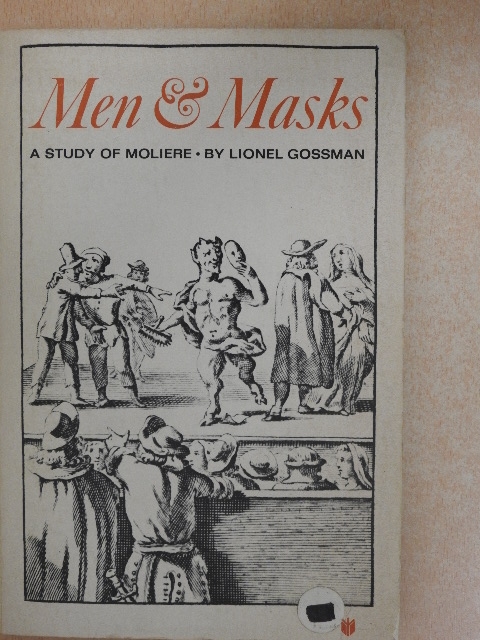
Cím: Men and Masks [antikvár]
Szerző:
Lionel Gossman
Kiadó: The Johns Hopkins Press
Kötés: Ragasztott papírkötés
Méret: 140 mm x 200 mm
Új vásárló vagyok!
új vásárlóval indíthatsz rendelést............