


kategória
szerző
cím
sorozat
betöltés...
kiadó
betöltés...
ISBN
évszám
ár
-
leírás
Előrendelhető
A mezők bármelyike illeszkedjen
A mezők mind illeszkedjen




ír'
ri> . '
'il '
NATIONAL
HISTORIC
Trails
Introduction
-ORMOV
íi -íL'
I
They etch our landscape üke lines written in fading ink left for future generations to discover. Some run east to west, others north to south, following the dictates of geography, war, and weather. Ranging in length from 54 to more than 2,000 miles, they proceed by fits and starts, have variations and branches. And each one tells a story—goals, obstacles, turning points, and climaxes are all there, as are heroes and villains, happy endings and sad....
online ár:
Webáruházunkban a termékek mellett feltüntetett fekete színű online ár csak internetes megrendelés esetén érvényes.
6480 Ft

Részletesen erről a termékről
Bővebb ismertető
ír'
ri> . '
'il '
NATIONAL
HISTORIC
Trails
Introduction
-ORMOV
íi -íL'
I
They etch our landscape üke lines written in fading ink left for future generations to discover. Some run east to west, others north to south, following the dictates of geography, war, and weather. Ranging in length from 54 to more than 2,000 miles, they proceed by fits and starts, have variations and branches. And each one tells a story—goals, obstacles, turning points, and climaxes are all there, as are heroes and villains, happy endings and sad. Our national historic trails are gripping stories of people on the move, each story a crucial chapter in American history.
What makes for a national historic trail? First of all, it has to be historically significant, particularly as a major route of migration, trade, exploration, communication, or military action. Then, the trail must have "potential for public recreational use or historical
interest." Any individual or organization can propose a trail for national historic status, but only Congress can designate one. In 1968, Congress passed the National Trails System Act; ten years later the first national historic trails—the Oregon, Mormon Pioneer, Iditarod, and Lewis and Clark—were added to the system.
There are currently 8 scenic and 14 historic trails. Unlike the scenic, the historic trails are generally not conrinuous. The historic trails cross private as well as public land; in places they fork into multiple routes or disappear from the historic record altogether. They may go through shopping centers, military installarions, Indian reservations, as well as some of the most breathtaking scenery in the country. You can drive sections of the original trails—after all, some of them were started as transportation
AMERICA's Historic Trails
Termékadatok
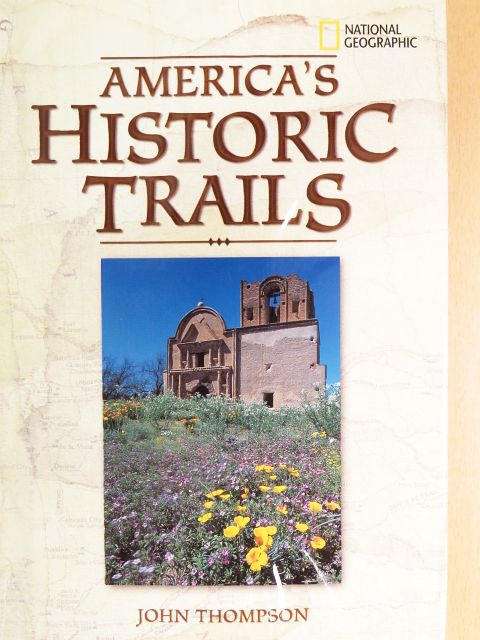
Cím: America's Historic Trails [antikvár]
Szerző:
John Thompson
Kiadó: National Geographic Society
Kötés: Ragasztott kemény kötés
ISBN: 079228030X
Méret: 180 mm x 260 mm
Új vásárló vagyok!
új vásárlóval indíthatsz rendelést............