


kategória
szerző
cím
sorozat
betöltés...
kiadó
betöltés...
ISBN
évszám
ár
-
leírás
Előrendelhető
A mezők bármelyike illeszkedjen
A mezők mind illeszkedjen



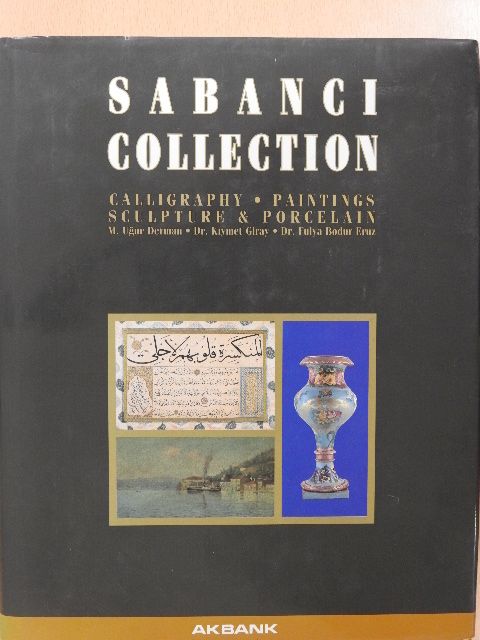
The Sabanci Collection (dedikált példány) [antikvár]
Dr. Fulya Bodur Eruz, Dr. Kiymet Gyray, M. Ugur Derman

ForewordToday businessmen and industrialists are inextricably associated with services to art and culture.The definition of a businessman requires careful reconsideration. We can no longer assume that a businessman's job is to establish factories and nothing else. I am a businessman, and it may be my job is to establish factories, but it is also to build schools and student hostels, to establish museums. We cannot expect the state to provide everything. The public and private sectors must join hands in such areas. If everyone takes their share...
online ár:
Webáruházunkban a termékek mellett feltüntetett fekete színű online ár csak internetes megrendelés esetén érvényes.
24000 Ft

Részletesen erről a termékről
Bővebb ismertető
ForewordToday businessmen and industrialists are inextricably associated with services to art and culture.The definition of a businessman requires careful reconsideration. We can no longer assume that a businessman's job is to establish factories and nothing else. I am a businessman, and it may be my job is to establish factories, but it is also to build schools and student hostels, to establish museums. We cannot expect the state to provide everything. The public and private sectors must join hands in such areas. If everyone takes their share of responsibility, then we will have fulfilled our duty. The state's resources are limited, just as are those of the private sector. Yet if the state encourages and offers assistance to those who do possess the means; in other words, if the state cooperates with the private sector, then the promotion of our culture becomes far easier.During visits abroad I have seen large castles converted into hostels or restaurants. The object is not commercial. If it were they would go bankrupt because the overheads are too high. There is a noncommercial motive here: indirect promotion. For example, the Guggenheim Foundation has a museum. The Rockefeller Foundation has a concert hall, the Rockefeller Center, and conservatory. Scholarships are awarded, exhibitions are organised, and visitors are welcome at all the events. None of this is motivated by commercial gain. By sponsoring the arts they both contribute to the education of their nation and to promotion of their countries. Even before the discovery of America Turkish
Termékadatok
Cím: The Sabanci Collection (dedikált példány) [antikvár]
Kötés: Vászon
ISBN: 9757880051
Méret: 230 mm x 290 mm
Új vásárló vagyok!
új vásárlóval indíthatsz rendelést............